
WEDDING CELEBRANT
Photo by Charlotte Wotton
Wedding & Vows Renewal Celebrant in Scotland
Are you coming to Scotland for your wedding, elopement or vows renewal? Perhaps you have had your legal ceremony elsewhere, but want to make your own vows in a place filled with history, atmosphere and spectacular scenery. Or perhaps you are coming to Scotland to renew your wedding vows and celebrate the life you have already shared together.
As an independent wedding and vows renewal celebrant, I offer something quite different. I create and officiate personal ceremonies across Scotland, shaped around your story, your relationship and the things that matter to you both. I can also help you discover some of Scotland’s wedding traditions, from handfasting and oathing stones to sharing a dram from the quaich.
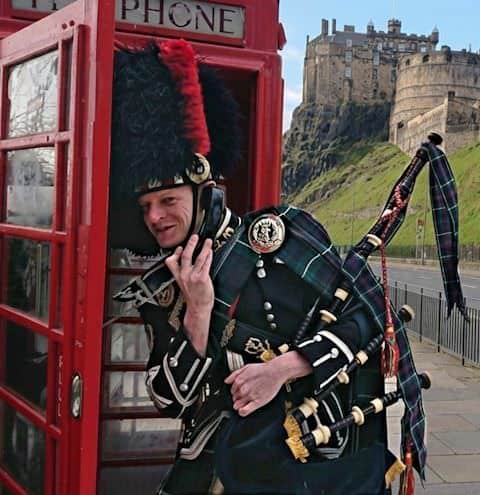
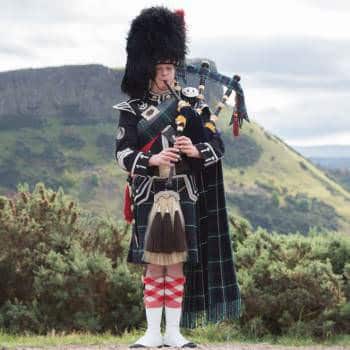
And I will be your bagpiper too. As Scotland’s only wedding and vows renewal celebrant who is also an experienced bagpiper, I offer a unique combination of both services. I will bring the sound and spectacle of the Highland Bagpipes to the key moments of your day, dressed in the spectacular Piper’s No.1 Full Highland Dress.
So lace your brogues and find out more…




Why Scotland is a special place for your wedding or vows renewal
For many of the couples I work with, Scotland is already part of the plan. Some have family connections here, some have visited before, and others simply know that this is where they want to make or renew their promises to one another. With castles, lochs, beaches, mountains, ruined abbeys and historic places, there is an extraordinary choice of settings for your ceremony.
As a proud Scot, I’m always touched that couples choose to come here for such an important occasion. I love being able to welcome you to Scotland and bring some of our history and traditions into your ceremony. The place you choose can become part of your story too, rather than simply being somewhere beautiful in the background.

The Quiraing, Isle of Skye

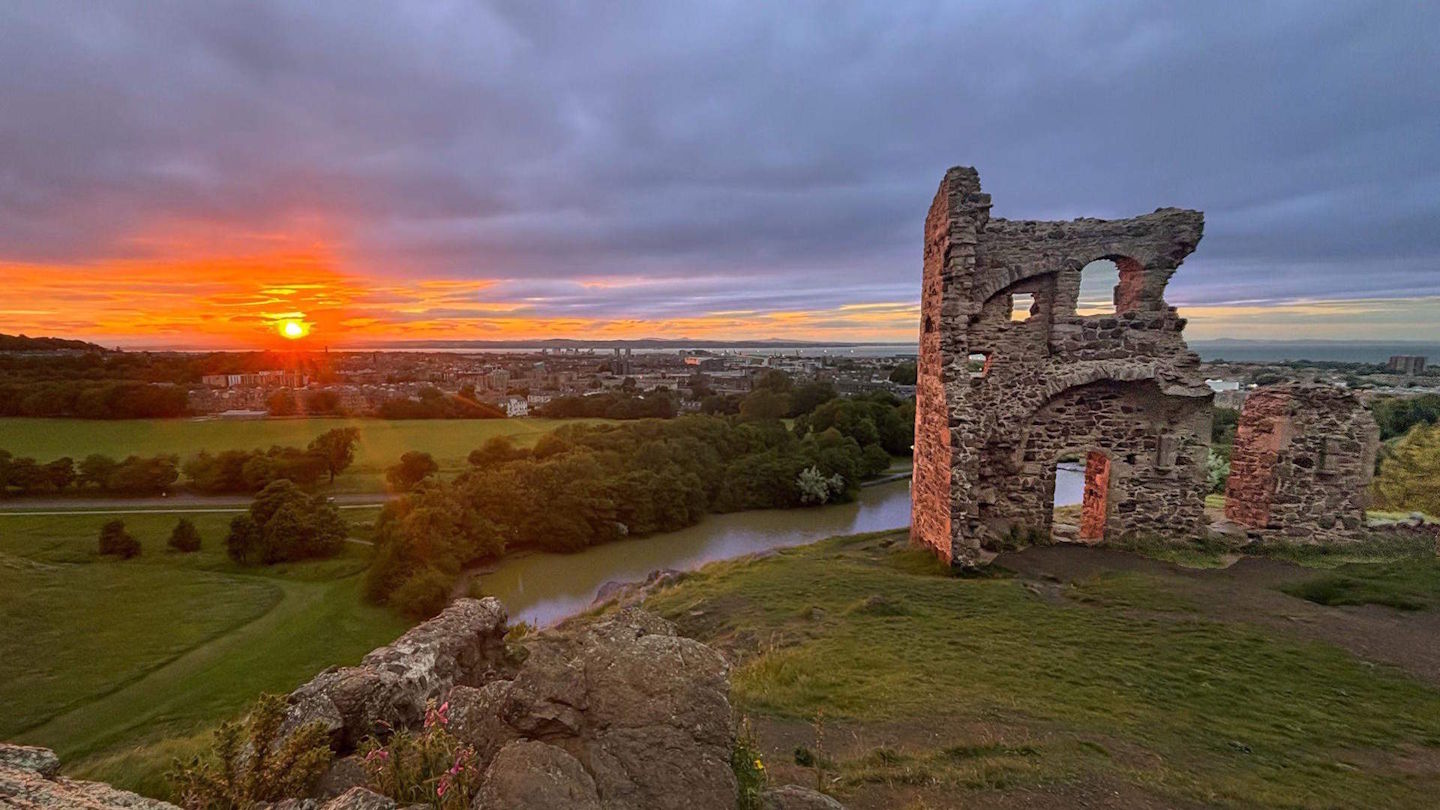
St Anthony's Chapel, Edinburgh
Scotland also gives you a great deal of freedom when choosing where to hold a symbolic wedding or vows renewal ceremony. Our access rights allow responsible access to most land and inland water, opening up possibilities for ceremonies in some remarkable places. There are, of course, exceptions and practical considerations, and some locations may require permission or a little more planning.
I have conducted weddings and vows renewals all over Scotland. If you already know where you want your ceremony to take place, I am very happy to work with your choice. If you are still deciding, I can also help you think through possible locations and the practicalities of holding your ceremony there.
What will your ceremony be like?
A ceremony which is personal to you

At the heart of your wedding or vows renewal ceremony is your story — how you fell in love, the life you have built together and are continuing to build, your shared experiences, the moments that have shaped your lives, and the promises you are making to one another.
For me, making your ceremony personal means getting to know you both and using the things you share with me to write a ceremony that could only really belong to you.
Your personalities, your memories and the things that matter to you become part of the words I write, with warmth and humour drawn from your own story.
The traditions and symbolic elements you choose can become part of that story too. Handfasting, drinking from the quaich and other Scottish traditions have far more meaning when they connect with your own lives, your relationship and the promises you are making to one another.
At the centre of it all are the two of you: your commitment, your memories and the life you’ve built, and are continuing to build together.
That is what makes your ceremony yours.
Scottish wedding traditions for your ceremony
Scotland has some wonderful traditions that you can include in your wedding or vows renewal ceremony. Handfasting, oathing stones and sharing a drink from the quaich can each add something different, and you do not need to know anything about them before we start planning.
I will explain what each tradition means, how it works within your ceremony and the choices you can make.
Handfasting
Handfasting has deep roots in Scottish marriage tradition. Historically, Scotland was unusual because a couple didn’t need a church ceremony or the presence of a minister or priest in order to be recognised as married. A marriage could be formed through the couple’s own declaration of mutual consent, made publicly and in the presence of their community.
In many communities, that declaration might be witnessed or overseen by somebody of standing, such as a clan chief, village elder or another respected figure. At Gretna Green, couples famously turned to the blacksmiths, who became known as the “anvil priests” for the marriages they witnessed there.


The joining and binding of a couple’s hands with cloth, ribbon or tartan came to symbolise that mutual commitment: two people making their promises openly and being joined together. Their hands are quite literally tied together, and it is this tradition that has given handfasting its enduring association with the familiar expression “tying the knot”.
Today, handfasting can be included in either your wedding or your vows renewal ceremony. Your hands are joined and bound with ribbons, cords or tartan as you make your promises to one another. Just as handfasting historically formed part of a public declaration of mutual consent, your handfasting becomes a visible declaration of the commitment you are making to each other at your wedding, or reaffirming together during your vows renewal.


The Quaich Ceremony
The quaich is a traditional Scottish drinking cup. Its name comes from the Gaelic word cuach, simply meaning “cup”, and its shallow bowl with two handles gives it its distinctive shape. Traditionally made from wood, and later from silver or pewter, the quaich has long been associated with hospitality, friendship and trust.
The tradition of a newly married couple drinking from a quaich is often linked to King James VI of Scotland, who is said to have presented his bride, Princess Anna of Denmark, with a quaich of whisky when they married in 1590.


During your wedding or vows renewal, you each take one of the quaich’s handles and share a drink from the same cup. It normally follows your vows and handfasting, becoming one of your first shared acts after making or renewing your promises to one another, and symbolising the life you continue to share together.
Whisky is the traditional choice, but you can choose another drink which has meaning for the two of you, and family members or friends can also be invited to come forward and fill the quaich as part of your ceremony.
You may also like to have your own quaich engraved with your names and wedding or vows renewal date. It gives you something personal to use during your ceremony and a keepsake to take home afterwards. Over time, it can become a family heirloom too, something that may one day be used again by future generations of your family!
I recommend The Quaich Shop where I purchased my own quaich, and if you’re travelling from overseas, it can be delivered to me in Edinburgh before your ceremony rather than being shipped internationally.


Celebrant FAQs
Answers to some often-asked questions from couples planning their wedding or vows renewal ceremony in Scotland
Wedding & Vows Renewal Celebrant Prices
My celebrant fees are straightforward and include creating and delivering your ceremony, together with my guidance as we plan it. Both services also include me as your bagpiper at no extra charge, performing the traditional role of a wedding bagpiper — welcoming you, piping for your processional and bringing the sound and celebration of the bagpipes to the conclusion of your ceremony.
Scottish traditions and symbolic elements are included at no extra charge. If you would like me to provide your handfasting ribbons, I can also do this for £45.

Ceremony locations in Scotland
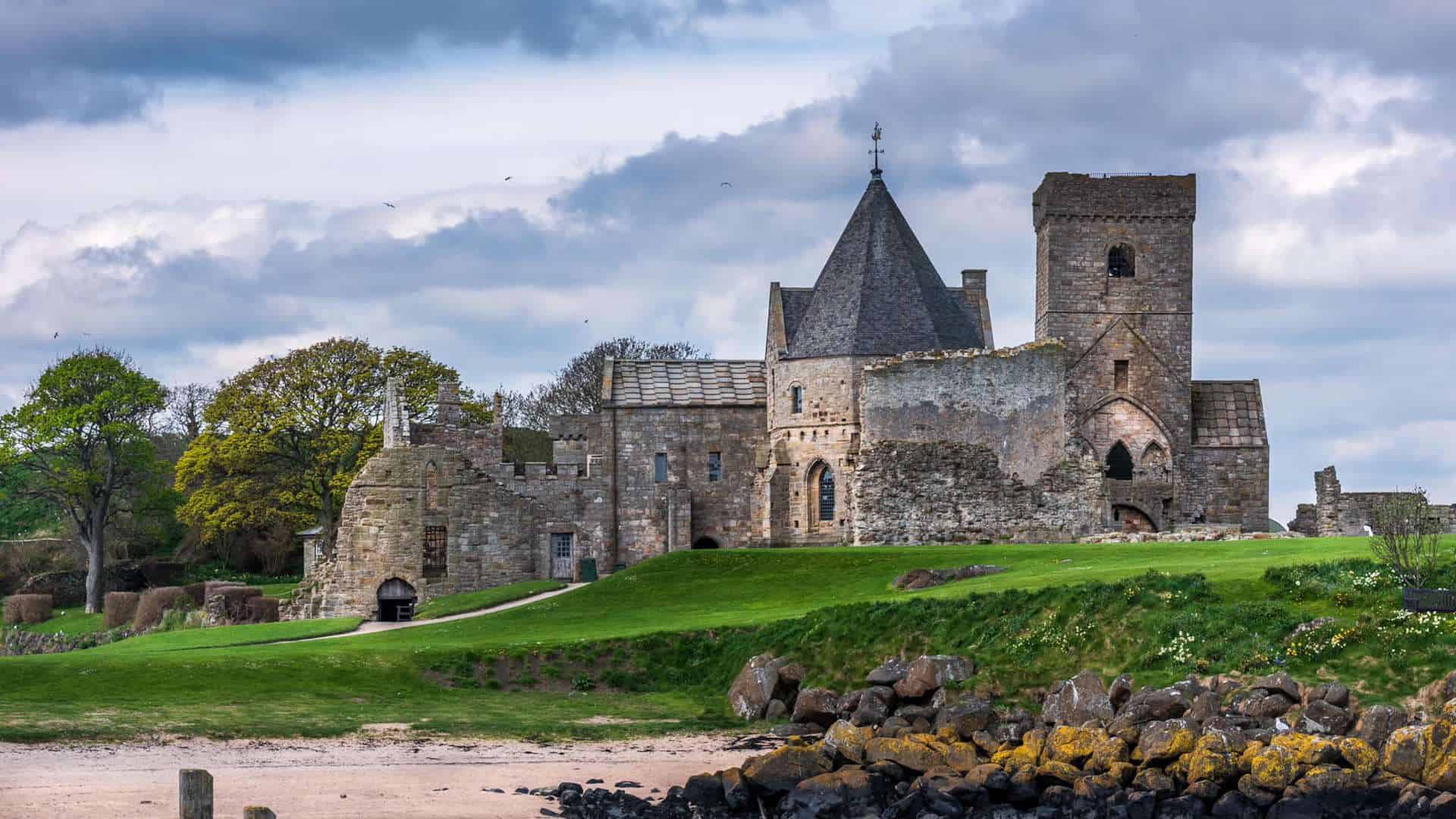
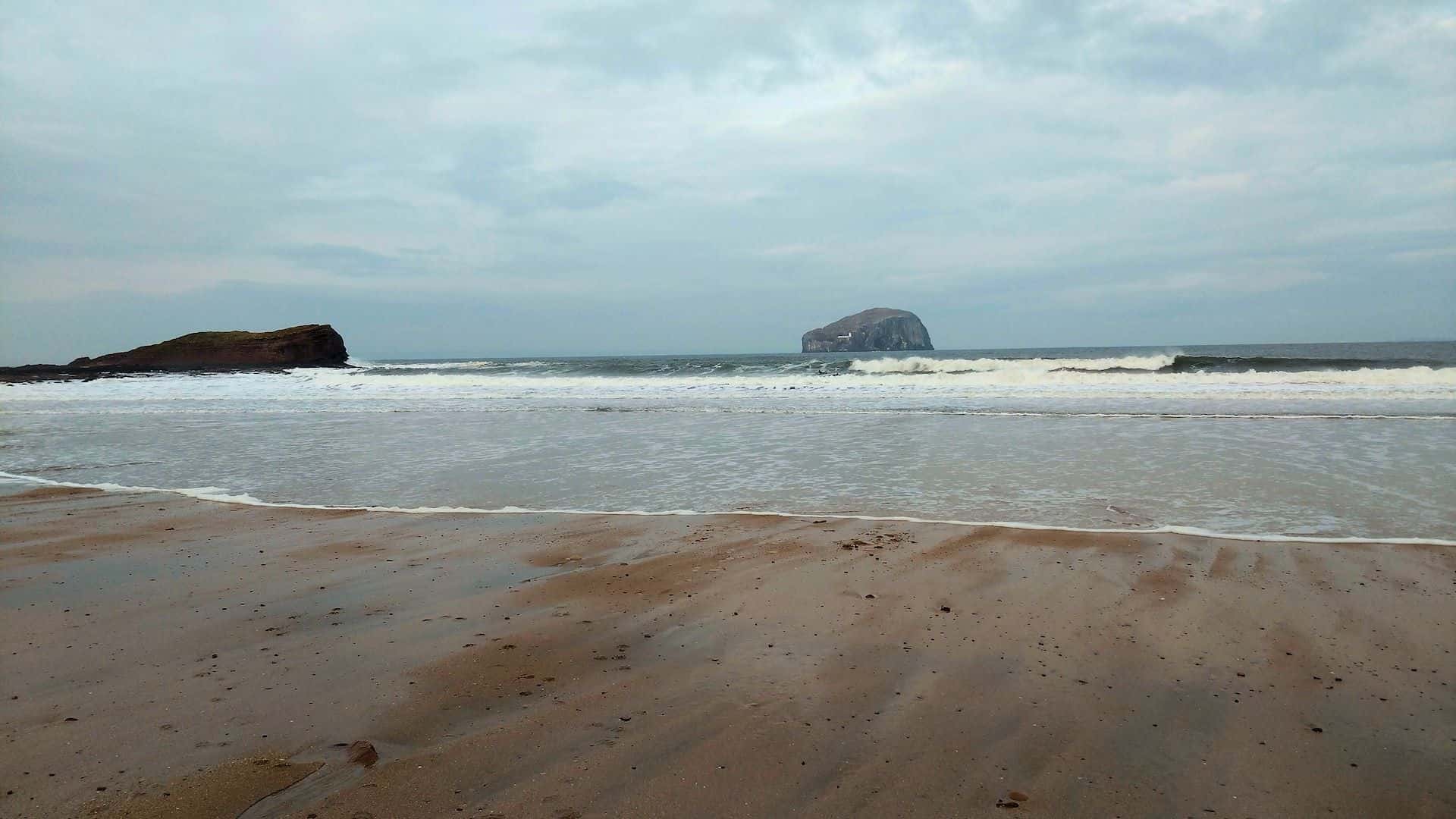
Scotland gives you an extraordinary choice of places for your wedding, elopement or vows renewal, from Edinburgh’s historic ruins to Highland glens, islands, beaches and lochs.
I’ve conducted ceremonies all over Scotland and I’ve put together guides to some of the places I know particularly well. If you’re travelling around Scotland, these can also help you find a ceremony location that fits naturally with the places you already plan to visit.